How allergy patients find, choose, book, show up and stay through shots, the ad and review rules at each step, and what an allergy practice should fix first.

Google removes the language setting from Search campaigns this month. Here is what that changes, and why translated ads keep losing to locally written ones.

CTV is a screen. OTT is a delivery method. They are not alternatives, and confusing them is how you end up paying TV prices for phone inventory.

Access to streaming inventory stopped being the problem. Here is the real cost stack of a first CTV campaign and how to tell whether it worked.

Connected TV has no click, so its results appear in somebody else’s report. Here is how to see the branded search a television campaign creates.

A wellness brand ran a story in Vogue. Underneath was an acquisition lesson most brands pay for and never learn — and why the placement is never the funnel.

Most advice on bootstrapping startups is recycled motivation. Here's the practitioner playbook for building a real business without funding — where to spend, what to ignore, and the constraints that actually drive growth.

Robert Half’s 2027 Salary Guide shows pay rising fastest for specialists. Here is what decides a marketing hire beyond salary, and what to ask before signing.

Meta and Google treat age and gender as hints, not limits. When demographics still belong in an ad plan, and when they only shrink what the algorithm learns.

Unapproved AI figured in 43% of security incidents in IBM’s 2026 breach study, more than double the year before. The one-page AI policy marketing needs.

A year after The Trade Desk forked Prebid into OpenAds, a court ordered Google to plug its exchange into Prebid. What it means for buyer paths and fees.

Google and Meta ban cannabis ads and restrict crypto, health and gambling advertisers. Which kind of no you face, and where restricted brands can grow.

A CMI report in November 2026 found 65% of B2B marketers pushed to publish faster. When in-house, agency or hybrid content teams fit, and how to brief one.

Choosing a marketing agency in Yerevan? What separates one that can reach Armenia, the diaspora and export markets from one that only knows local Instagram.

Three questions collapse most agency case studies: over what period, measured in which system, compared to what. Here is the rest of the diligence.

Four things make marketing an accounting firm structurally different. Most agencies find that out on your retainer. Here is how to screen them first.

Three in four patients won’t book below four stars. When to ask allergy patients for reviews, what Google and the FTC ban, and how to reply without a breach.

In one large study, only 18% of immunotherapy patients reached year three. Six email sequences aimed at that gap, and the HIPAA and Gmail rules they face.

A telehealth allergy practice, a clinic with no real website and a new allergy brand: what each changed and why, plus what to track in your first 90 days.

Patients take allergy advice from social feeds, Meta limits health ad tracking, and HIPAA governs testimonials. What a clinic should post, and when, all year.

Reminders fix forgetting. Shot room hours, waitlists, video follow-ups and payer rules on fees decide what each missed allergy visit costs your clinic.

Google ranks map results on relevance, distance and prominence. How an allergy clinic should set categories, practitioner profiles, shot hours and tracking.

AI scribes save minutes, not hours. What the 2025 and 2026 studies found, where automation pays in an allergy clinic, and which tools need a BAA first.

An SSL padlock protects a form on its way to you. It does nothing about a pixel sending booking data to Meta. What HIPAA asks of an allergist’s website.

Google bars health advertisers from remarketing and customer lists, and HIPAA limits what your tags send. How allergy clinics run Google Ads within both.

Andromeda is the first stage of Meta’s ad delivery, narrowing tens of millions of ads to a few thousand per person. What that changes for your targeting.

Higgsfield went from a $200 million run rate in January to a claimed $1 billion. What that says about AI video, and when more ad variants actually help.

Search ads stall once existing demand runs out. How to spot the ceiling, what Google’s branded-search metric proves, and how to test video with a geo holdout.

Meta’s ad system reads what your ad says and shows. Ten color swaps of one template give it one idea. How to test real concepts and catch fatigue early.

Shopify’s AI builds a store in a chat. It can’t clear your name or make buyers remember you. What a minimum viable brand needs on day one, and what can wait.

Performance Max finds more of whatever you count. How to send qualified lead values back to Google Ads, how many conversions you need, and what to watch.

Platform ROAS counts the sales that followed an ad; incrementality testing counts the sales it caused. How lift studies, geo tests and mix models work.

Meta’s price per ad rose 14% year over year in Q3 2026. The channel mix a DTC brand needs beyond the feed, and how to test each part before moving budget.

Most marketing leaders say their social teams aren’t expert at proving impact. Which social results tie to revenue, and which are reach and attention.

Big companies now put AI spending through cost reviews and token budgets. What finance counts, how to build an AI business case, and which uses have evidence.

AI answers cite earned media far more than ads. How a small business finds stories, pitches journalists, seeds creators and measures what coverage moves.

When ChatGPT or Google’s AI Mode does the comparing, your “best X for Y” page can be cited while a rival gets picked. What to change, and how to measure it.

The 3:1 LTV to CAC rule says lifetime value should be three times acquisition cost. Why managing to that average can cap growth, and what to use instead.
How allergy patients find, choose, book, show up and stay through shots, the ad and review rules at each step, and what an allergy practice should fix first.
A wellness brand ran a story in Vogue. Underneath was an acquisition lesson most brands pay for and never learn — and why the placement is never the funnel.
Choosing a marketing agency in Yerevan? What separates one that can reach Armenia, the diaspora and export markets from one that only knows local Instagram.
Three questions collapse most agency case studies: over what period, measured in which system, compared to what. Here is the rest of the diligence.
Andromeda is the first stage of Meta’s ad delivery, narrowing tens of millions of ads to a few thousand per person. What that changes for your targeting.
Higgsfield went from a $200 million run rate in January to a claimed $1 billion. What that says about AI video, and when more ad variants actually help.
Meta’s price per ad rose 14% year over year in Q3 2026. The channel mix a DTC brand needs beyond the feed, and how to test each part before moving budget.
Shopify’s AI builds a store in a chat. It can’t clear your name or make buyers remember you. What a minimum viable brand needs on day one, and what can wait.
Performance Max finds more of whatever you count. How to send qualified lead values back to Google Ads, how many conversions you need, and what to watch.
Platform ROAS counts the sales that followed an ad; incrementality testing counts the sales it caused. How lift studies, geo tests and mix models work.
Most marketing leaders say their social teams aren’t expert at proving impact. Which social results tie to revenue, and which are reach and attention.
Big companies now put AI spending through cost reviews and token budgets. What finance counts, how to build an AI business case, and which uses have evidence.
AI answers cite earned media far more than ads. How a small business finds stories, pitches journalists, seeds creators and measures what coverage moves.
When ChatGPT or Google’s AI Mode does the comparing, your “best X for Y” page can be cited while a rival gets picked. What to change, and how to measure it.
The 3:1 LTV to CAC rule says lifetime value should be three times acquisition cost. Why managing to that average can cap growth, and what to use instead.

In Davos week, Visa and Mastercard made trust the condition for AI agents that buy. What shipped since, what to measure, and which human approvals to keep.

TikTok pays creators for search value and sells brands the top of search results. What that means for your content plan, your ad mix and your benchmarks.

Google’s query growth hit a five-year high in 2026 while AI Mode earned less. Where search ad money is moving, what ChatGPT ads cost, and how to test both.
How allergy patients find, choose, book, show up and stay through shots, the ad and review rules at each step, and what an allergy practice should fix first.
A wellness brand ran a story in Vogue. Underneath was an acquisition lesson most brands pay for and never learn — and why the placement is never the funnel.
Andromeda is the first stage of Meta’s ad delivery, narrowing tens of millions of ads to a few thousand per person. What that changes for your targeting.
Higgsfield went from a $200 million run rate in January to a claimed $1 billion. What that says about AI video, and when more ad variants actually help.
Search ads stall once existing demand runs out. How to spot the ceiling, what Google’s branded-search metric proves, and how to test video with a geo holdout.
Meta’s ad system reads what your ad says and shows. Ten color swaps of one template give it one idea. How to test real concepts and catch fatigue early.
Meta’s price per ad rose 14% year over year in Q3 2026. The channel mix a DTC brand needs beyond the feed, and how to test each part before moving budget.
Performance Max finds more of whatever you count. How to send qualified lead values back to Google Ads, how many conversions you need, and what to watch.
Platform ROAS counts the sales that followed an ad; incrementality testing counts the sales it caused. How lift studies, geo tests and mix models work.
Most marketing leaders say their social teams aren’t expert at proving impact. Which social results tie to revenue, and which are reach and attention.
Big companies now put AI spending through cost reviews and token budgets. What finance counts, how to build an AI business case, and which uses have evidence.
The 3:1 LTV to CAC rule says lifetime value should be three times acquisition cost. Why managing to that average can cap growth, and what to use instead.
In Davos week, Visa and Mastercard made trust the condition for AI agents that buy. What shipped since, what to measure, and which human approvals to keep.
TikTok pays creators for search value and sells brands the top of search results. What that means for your content plan, your ad mix and your benchmarks.
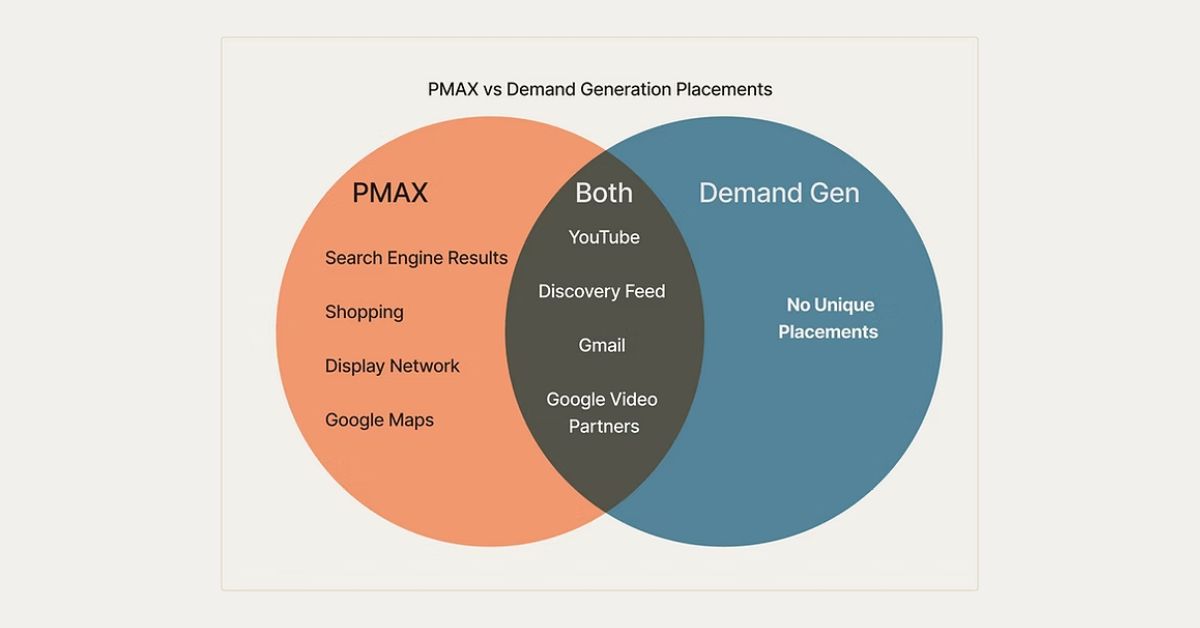
Performance Max can take credit for sales you would have made anyway. How to check it, how to split budget with Demand Gen, and which Google test to run.

Only about one weekly ChatGPT user in 18 pays for it. Ads fund the rest. What OpenAI’s business model gives you as an advertiser, and what it withholds.

OpenAI projects $25B in ad revenue by 2028. So far the money is not coming from search. Which budgets fund ChatGPT ads, and which should go next.

AI agents plan, buy and adjust ads inside Google, Meta, Amazon and DSPs. What they do alone, what still needs a person, and what to ask before one spends.
Higgsfield went from a $200 million run rate in January to a claimed $1 billion. What that says about AI video, and when more ad variants actually help.
Shopify’s AI builds a store in a chat. It can’t clear your name or make buyers remember you. What a minimum viable brand needs on day one, and what can wait.

Mail stays in the home for days and sends readers online. How to write one piece, track it with QR codes and matchback, and what EDDM or door drops cost.

GenStudio publishes approved ads to ChatGPT, YouTube and The Trade Desk. What it does for brand teams, what it costs, and when Express or Canva will do.

Pomelli, Google Labs’ free AI marketing tool, builds on-brand posts from your website. What it does a year on, where it falls short, and how to test it.

Adobe covers some Google and OpenAI output for copyright, but only on certain enterprise plans. Which partner models it offers, what is safe and what to log.

Dull ads need billions more in media to match emotive ones, System1 estimates. How consolidation, short tenures and AI tools push sameness, and how to resist.

YouTube, Instagram and TikTok are tightening rules as AI video floods in. What still earns a view, where AI saves money, and how to test it against film.
Paramount and Taboola built a tool that follows CTV exposure into web outcomes. Post-view is not incremental, and the difference decides what to believe.

Google and Meta ads work for allergy practices. The hard part is conversion tracking that does not quietly send patient data to an ad platform.

Most allergy clinic websites collect requests, not appointments. The gap between those two things is where patients leave for somebody faster.

Allergy practices are referral-fed, and the referring physician is the audience nobody markets to. Here is how to build the channels a plan usually skips.

Architecture commissions come from shortlists, juries and referrals. Here is what digital work can actually do for that pipeline, and what it cannot.

Six Figma prototyping techniques with current menu names, how to test a prototype with five people, and what developers and code layers read from your wiring.

Fewer people found ads repetitive in 2026, Kantar reports, so your slump may be your inputs. Eight sources, a weekly routine, and when it is really workload.

Instagram tests every Reel on a small audience before recommending it widely. How to pass that test: the first second, originality, and Trial Reels.

41.8% of online adults use social media to weigh purchases. How to set one business goal, pick two platforms, build a content system and measure beyond likes.